
May 2026-Sounds of Alpacas
Listening to Alpacas
A Simple Guide for Visitors & New Owners
YaYa’s Alpaca Farm
Alpacas may not speak words — but they are always communicating.
At YaYa’s, we love helping guests and new owners understand what the herd is saying. Once you learn the basics of ears and sounds, you’ll start noticing conversations happening all around you.
1. Watch the Ears First
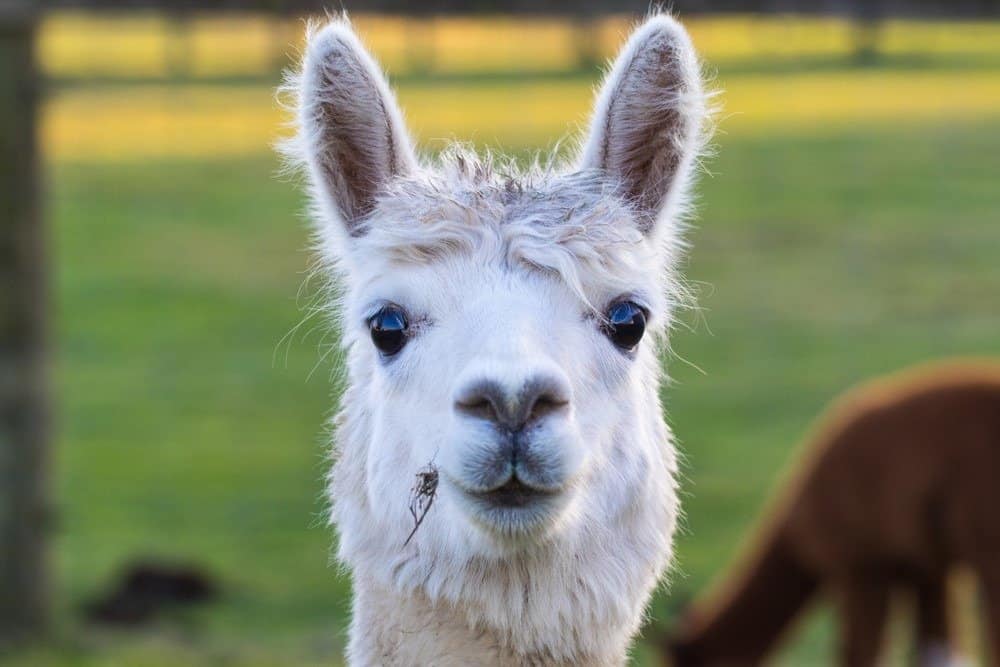
Ears Forward
“I’m curious.”
They are watching you or something nearby.
Ears Relaxed (Sideways)
“I’m calm.”
Often seen while resting or quietly humming.
Ears Pinned Back
“I need space.”
This can mean irritation or discomfort. Give them room.
Ears Moving in Different Directions
“I’m listening.”
They are scanning their surroundings.
Tip: If you’re unsure how an alpaca feels — look at the ears first.
2. The Sounds You’ll Hear
Humming
The most common sound.
It can mean:
Contentment
Curiosity
Mild concern
A mother talking to her baby
A soft hum is normal and comforting.
Alarm Call
A sharp, high sound.
This means something feels unsafe. The whole herd may suddenly stand tall and look in one direction.
Clucking
A soft clicking sound often made by mothers to their babies (cria).
It is a bonding sound.
Orgling
A bubbling, rhythmic sound made by males during breeding.
It’s completely normal — just part of alpaca life.
Spitting
This is not random.
It means: “Back up.”
Spitting usually happens:
During feeding competition
When space is invaded
During herd disagreements
If you see ears pinned back before feeding — give them extra space.
3. Where Do These Sounds Come From?
Alpacas make sound the same way most mammals do:
Air moves from the lungs
It passes through the voice box (larynx)
The vocal cords vibrate
The mouth and nose shape the sound
Many alpaca sounds feel soft because they resonate through their nose and sinuses — especially humming.
4. How to Communicate Back
Alpacas respond more to energy than words.
Move Slowly
Fast movement can feel like a predator.
Approach from the Side
Walking straight toward their face can feel threatening.
Use a Calm Voice
Low, steady tones help them relax.
Respect Personal Space
If ears go back, pause.
At YaYa’s, we always say:
“Let the alpaca choose the interaction.”
When they step toward you, that’s trust.
5. Why Understanding This Matters
When you understand their ears and sounds:
You prevent stress
You avoid unnecessary spitting
You build safer handling habits
You deepen connection
Alpacas are herd animals. They are wired to feel safe together. When you stay calm, they settle.
It’s a quiet conversation — but it’s constant.
6. A Gentle Reminder from YaYa’s
Every alpaca has a personality. Some are bold. Some are shy. Some hum constantly. Others are quiet observers.
Take a moment when you visit:
Listen for humming
Watch the ears
Notice who is standing tall and who is relaxed
You’ll start to see the herd in a whole new way.
Want to Learn More?
Join us for Alpaca 101 at YaYa’s Alpaca Farm — where we go deeper into behavior, handling, and herd communication in a relaxed, hands-on setting.
Because when you understand them…
you don’t just visit alpacas — you connect with them.